

In this article
Shipping a car for the first time can feel like handing your keys to a stranger and hoping for the best. So it’s no surprise that one of the first questions almost everyone asks us is some version of the same thing: “If something happens to my car on the truck, am I covered?”
The honest answer is yes — your vehicle is insured during transport. But there’s more to it than that one word, and the details are worth understanding before you book. We’ve found that the customers who have the smoothest experience are the ones who know what to expect going in, so here’s the full picture.
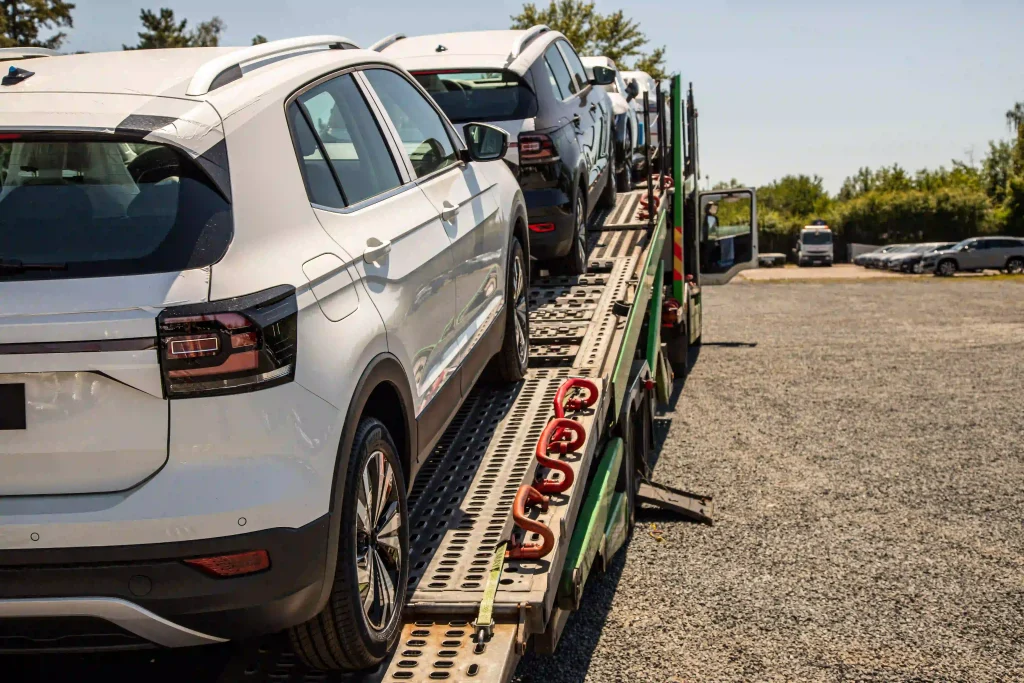
So, Is Your Car Insured While It’s Being Shipped?
Yes — car transport insurance is required for every licensed carrier operating in the United States is required by law to carry cargo insurance. That coverage stays in effect the entire time your vehicle is in the carrier’s hands — while it’s rolling down the highway, and during the loading and unloading at both ends, which is honestly when most minor incidents tend to happen.
One thing that trips people up: the insurance policy belongs to the carrier physically moving your car, not to the broker who arranges the shipment. That distinction matters when it comes time to file a claim, and we’ll get to why in a minute.
What the Coverage Actually Includes
For most transport policies, the protection centers on physical damage that occurs while the car is in transit. That covers things like a scratched bumper that happens during unloading, a cracked windshield from something on the road, a dent picked up along the way, or damage caused by the trailer equipment itself. If the transport truck is in an accident, your vehicle is covered too.
In plain terms, if the damage came from the act of transporting your car, the carrier’s insurance is there to handle it.

What Car Shipping Insurance Does Not Cover
This is the part people skip, and it’s exactly the part that causes frustration later. Understanding the exclusions is just as important as understanding the coverage.
Anything you leave inside the vehicle is not insured. Personal items aren’t documented and aren’t covered, so they travel entirely at your own risk. We always recommend taking everything out before pickup — phone chargers, sunglasses, the stuff in the trunk, all of it.
Pre-existing damage is also off the table. If a scratch or dent was already there before the carrier picked the car up, it won’t be covered, which is one of the big reasons that pickup inspection matters so much.
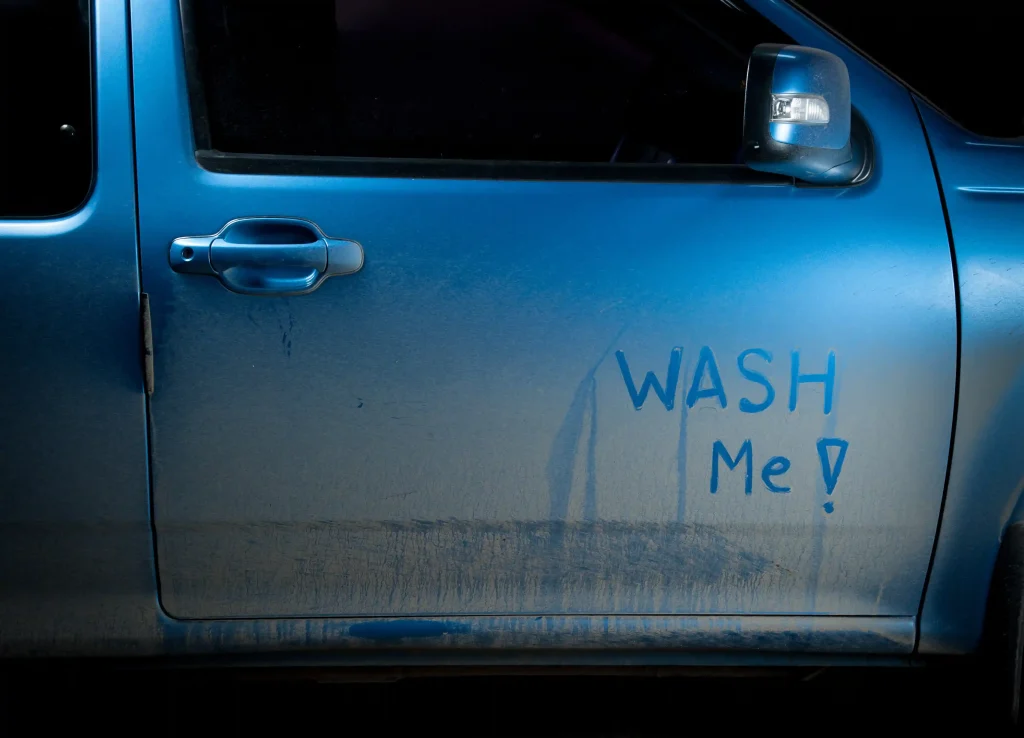
Mechanical problems generally aren’t covered either. Engine trouble, electrical faults, a drained battery — those typically fall outside the policy unless the issue was directly caused by the transport itself. And finally, normal road conditions like dust, dirt, or weather exposure are considered standard, especially on open carriers. A dusty car at delivery isn’t damage; it’s just what happens when a vehicle rides outside for a few hundred miles.
The Bill of Lading Is Your Best Friend
If there’s one document to pay attention to in this entire process, it’s the Bill of Lading, usually just called the BOL. Think of it as the official record of your car’s condition, and it’s the single most powerful tool you have if anything ever goes wrong.
At pickup, the driver documents the condition of your vehicle. That’s your baseline. Then at delivery, the BOL becomes your responsibility to use well. Walk around the car, look it over carefully, and write down any new damage before you sign anything. This is not the moment to rush.
Here’s the part worth underlining: if new damage isn’t noted on the BOL at delivery, filing a claim afterward becomes much harder. A few extra minutes of inspection at drop-off can save you a real headache down the line.
We walk through both inspections in how car shipping works, step by step.

How a Claim Actually Works
If something does come up, your car transport insurance claim process is more straightforward than people expect. The issue gets documented, the appropriate team reviews all the details, and you’re contacted with the next steps. Every situation is looked at on its own, weighing the documentation, the BOL records, and any supporting evidence like photos.
Which brings us to the best thing you can do for yourself.
How to Protect Yourself Before Shipping
A little preparation goes a long way. Before your car gets picked up, take clear photos from every angle — and don’t be shy about it; timestamped photos are gold if a question ever comes up. Remove all your personal belongings. Confirm the pickup and delivery details so there are no surprises. Read through the BOL carefully rather than skimming it. And if you do spot an issue at delivery, report it right away instead of waiting.
None of this is complicated. It just takes a few intentional minutes, and it puts you in a strong position no matter what.

For the full step-by-step list, use our checklist to prepare your car for shipping.
Where We Come In
As a licensed transport coordinator, Cross Auto Transport works only with compliant, properly insured carriers. We make sure the documentation is handled correctly, we help with communication and escalation if anything needs attention, and we stay involved to guide the process from the first quote to the moment your car arrives. You’re not figuring this out alone.
Before you book with anyone, check these 9 red flags of car shipping scams.
The Bottom Line
Car transport is safe and reliable, and the vast majority of shipments go off without a hitch. Understanding how car transport insurance works isn’t about expecting problems — it’s about having genuine peace of mind. When you know what’s covered, what isn’t, and how to protect yourself, there are no surprises, just a car that shows up where it’s supposed to be.
Ready to Ship? Let’s Talk.
If you have questions or want a free quote, give us a call at 866-923-8666 or visit www.crossautotransport.com.
Get your exact price in 60 seconds with our car shipping cost calculator.
Request your free quote today — we’re happy to walk you through it.
More car shipping tips on the Cross Auto Transport blog.