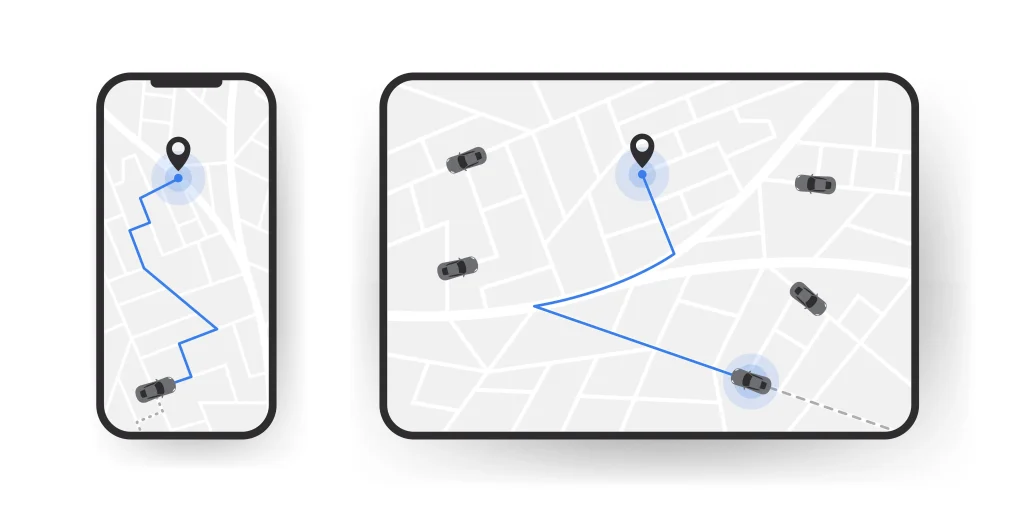
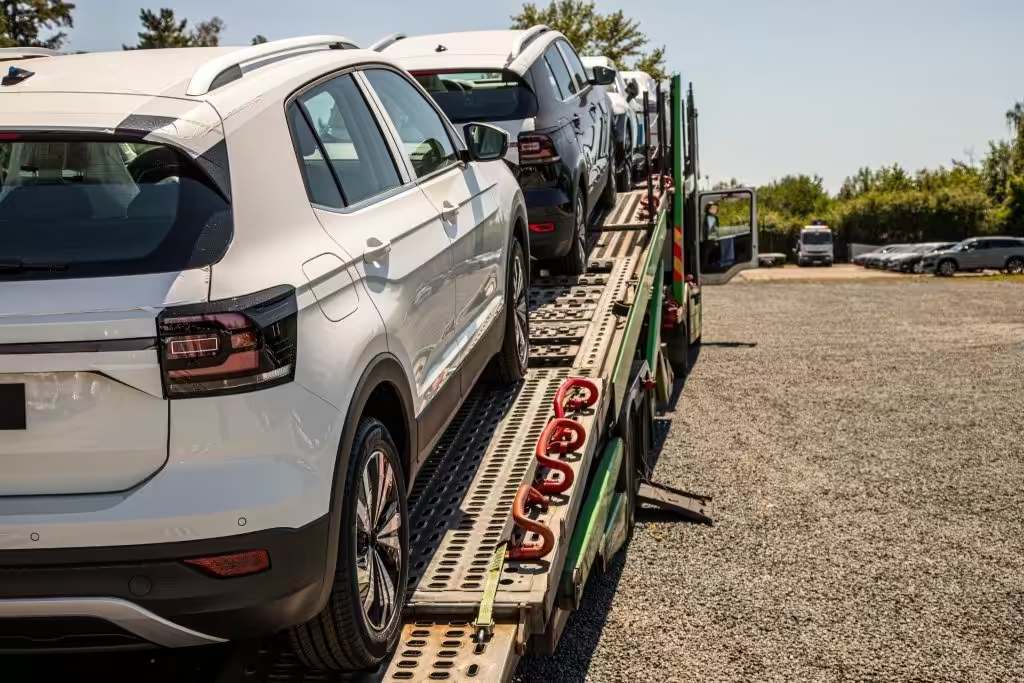
Car shipping tracking means knowing where your vehicle is and what’s happening to it — through GPS location data, proactive status updates, or both. In practice, most shipments are tracked through carrier check-ins and scheduled updates rather than a live map, with real-time GPS available as an upgrade. What matters most isn’t the technology; it’s whether your company communicates without you having to chase them.
You hand over the keys, watch your car roll onto the trailer, and then… nothing. No call. No location. Just a vague “sometime next week” and a phone number that goes to voicemail.
That silence is the single most common complaint in auto transport, and it’s completely avoidable. But there’s a lot of marketing noise around “real-time tracking” in this industry, and much of it promises more than it delivers. So here’s the honest version: what car shipping tracking actually is, what’s realistic to expect, and how to tell the difference between a company that communicates and one that disappears.
Point
Details
Tracking ≠ a live map
Most shipments are tracked through scheduled check-ins and status updates, not a minute-by-minute GPS feed.
Communication matters more
Proactive updates from a real person beat a map you have to refresh yourself.
GPS is usually an upgrade
Live GPS tracking is typically an add-on service, not a standard inclusion.
Silence is the red flag
If you have to chase a company for information, that’s the problem — not the technology.
What Car Shipping Tracking Actually Means
“Tracking” gets used loosely in this industry, so let’s separate the two things it can mean.
Status tracking is the standard: you’re told when your vehicle is picked up, given progress updates while it’s in transit, and notified before delivery. This is communication-based — it comes from your coordinator and the driver, and it’s what the vast majority of shipments use.
Live GPS tracking is the map: a GPS unit on the carrier’s truck reports its position, and you can see roughly where your vehicle is at a given moment. It’s genuinely useful, particularly on long hauls and for high-value vehicles — and it’s typically offered as an add-on service rather than being included in a base rate.
Both are legitimate. The problem is companies that advertise the second and deliver neither.
Why “Real-Time Tracking” Claims Deserve Scrutiny
Here’s something most auto transport websites won’t tell you: almost every company you find online is a broker, not a trucking company.
Brokers arrange your shipment and manage it; independent carriers own the trucks and do the driving. That’s a normal, functional structure — it means access to thousands of trucks instead of the handful any single company could own. But it has a direct consequence for tracking: the GPS unit belongs to the carrier, not the broker.
So when a broker’s website promises a slick live-map portal on every single shipment, be a little skeptical. What they can genuinely guarantee is how they communicate with you — and honestly, that’s the part that actually affects your experience. A map that shows a truck sitting still in Oklahoma tells you less than a coordinator who calls to say “the driver hit weather, you’re now looking at Thursday.”
If tracking matters to you, ask directly: is live GPS available on my shipment, is it included or extra, and what updates do I get regardless? A straight answer to that question tells you a lot about the company.
A coordinator who calls you beats a map you have to refresh.
The 7 Updates You Should Get on Every Shipment
Forget the technology for a second. Regardless of whether there’s a map involved, here is what good communication looks like. If a company can’t commit to these, no tracking portal will save the experience.
1. Booking confirmation. Written, with your price, your pickup window, and your coordinator’s direct contact information.
2. Carrier assignment. You’re told when a carrier has been secured, who they are, and their USDOT number — so you can verify them yourself if you want to.
3. Advance pickup notice. The driver or coordinator contacts you before pickup day to arrange a time, not an hour beforehand.
4. Pickup confirmation. Confirmation that your vehicle is loaded, along with your signed copy of the Bill of Lading documenting its condition. That signed Bill of Lading is also what car transport insurance claims are based on.
5. Transit updates. Regular progress updates while your car is on the road — not silence for a week.
6. Proactive delay notification. If something changes, you hear it from them first. Finding out about a delay by calling to ask is a failure.
7. Advance delivery notice. Notification before arrival so you can be there to inspect the vehicle and sign, rather than getting a call from a driver already parked outside.
The test is simple: in a well-run shipment, they contact you. If you’re the one initiating every conversation, something is wrong — and that’s true whether or not there’s a GPS map involved.
GPS Tracking vs. Status Updates: What’s the Difference?
Feature
Status Updates
Live GPS Tracking
What you see
Stage-by-stage progress
Approximate location on a map
How you get it
Calls, texts, or email from your coordinator
Carrier’s GPS unit reporting position
Availability
Should be standard on every shipment
Usually an add-on, carrier-dependent
Best for
All shipments
Long hauls, high-value or classic vehicles, tight schedules
Cost
Included
Typically an extra fee
Biggest strength
Context and explanation
Location certainty
Biggest weakness
Depends on the company’s diligence
A dot on a map doesn’t explain why
The most useful setup is both: location data when you want reassurance, and a human who explains what it means when something changes.
In our experience, communication quality is the single best predictor of how a shipment will go — better than price, better than fancy technology.
Companies that go quiet after taking your booking tend to go quiet when there’s a problem, too. And problems are exactly when you need them. Whether the answer is “your driver is running a day behind because of weather in Tennessee” or “we need to reassign your carrier,” the difference between a minor inconvenience and a terrible experience is entirely about whether someone tells you.
This connects directly to the warning signs we covered in how to avoid car shipping scams — the disappearing act is one of the most common patterns in this industry, and it always starts with unreturned calls.
How to Choose a Company That Actually Communicates
Before you book, do these five things.
Ask what updates are included, specifically. Not “do you offer tracking?” but “what will you send me, and when?” Vague answers are the answer.
Ask whether live GPS is available, and what it costs. An honest company will tell you plainly whether it’s included, an upgrade, or carrier-dependent. A company that says “yes, real-time tracking!” without any qualification is either not thinking carefully or not being straight with you.
Ask who your point of contact is. A named coordinator with a direct number beats a general support queue every time.
Verify their licensing. Ask for their MC and USDOT numbers, then look them up in the FMCSA SAFER database and confirm active authority and insurance on file. (Ours are MC 1784904 and DOT 4509144 — check them.)
Read recent reviews for communication specifically. Filter for the last six months and look for the words “updates,” “called me,” “kept me informed,” or their opposites. That’s the signal.
You should never have to chase a company for information.
How We Handle It
We’ll be straightforward about this, because overpromising is the thing we’re trying not to do.
Standard on every shipment: a dedicated coordinator with a direct line, written confirmation at booking, your carrier’s details and USDOT number when they’re assigned, advance notice before pickup, regular updates while your vehicle is in transit, proactive contact if anything changes, and notice before delivery. You should never have to call us to find out what’s happening — though you can, and a real person will answer.
Available as an upgrade: live GPS tracking, for customers who want continuous location visibility. It’s an add-on, and we’ll tell you the cost upfront rather than burying it.
That’s the honest version. If another company promises you a live map on every shipment at no cost, ask them exactly how — and see whether the answer holds up.
Car shipping tracking isn’t really about GPS. It’s about not being left in the dark.
A live map is a nice upgrade, and worth paying for on a long haul or a valuable vehicle. But the thing that determines whether your shipment feels stressful or straightforward is much simpler: does the company tell you what’s happening, before you have to ask?
Ask that question before you book, and you’ll avoid the experience almost everyone complains about.
We’ll tell you what’s included and what isn’t. That’s the whole idea.
Frequently Asked Questions
Can I track my car while it’s being shipped? Yes. Every shipment includes status updates at each stage — pickup confirmation, transit progress, and advance delivery notice. Live GPS location tracking is available as an add-on for customers who want continuous visibility.
Is GPS tracking included with car shipping? Usually not by default. Most carriers include scheduled status updates as standard, with live GPS tracking offered as an upgrade. Always ask a company directly whether GPS is included or costs extra — vague answers here are a warning sign.
How often will I get updates while my car is in transit? You should receive confirmation at pickup, regular progress updates during transit, proactive contact if anything changes, and notice before delivery. If you’re the one making every phone call, the company isn’t doing its job.
Why can’t every company offer a live tracking map? Most auto transport companies are brokers, not trucking companies. The GPS equipment belongs to the carrier operating the truck, so live-map availability depends on the specific carrier assigned to your shipment.
Does tracking make car shipping safer? It helps. Visibility creates accountability, and shared information means delays get identified and explained faster. But documentation matters more for protection — your photos and the Bill of Lading are what actually safeguard your vehicle.
Is tracking worth paying extra for? For long-distance moves, high-value or classic vehicles, and tight schedules, many customers find the extra visibility worth it. For a short regional move with good communication, standard status updates are usually plenty.
What should I do if a company stops responding? Contact them in writing, keep records of every attempt, and if your vehicle is in transit with no contact, file a complaint with the FMCSA through the National Consumer Complaint Database. Unresponsiveness after booking is a known warning sign.